20/06/2026 10:15
ReceiptRetention: Turn Receipts Into Repeat Custom For UK SMEs
receiptretention: turn receipts into repeat custom for uk smes
Why receipts matter more than you think
A receipt used to be a slip of paper that proved a transaction took place. Today it can be the start of a profitable customer relationship. For UK SMEs facing rising customer acquisition costs and squeezed margins, making the most of every sale is essential. Receipt-based retention — or receiptretention: turn receipts into repeat custom for uk smes — is about turning that post‑purchase moment into a low‑cost, high‑intent channel for repeat business.
How digital receipts change the game
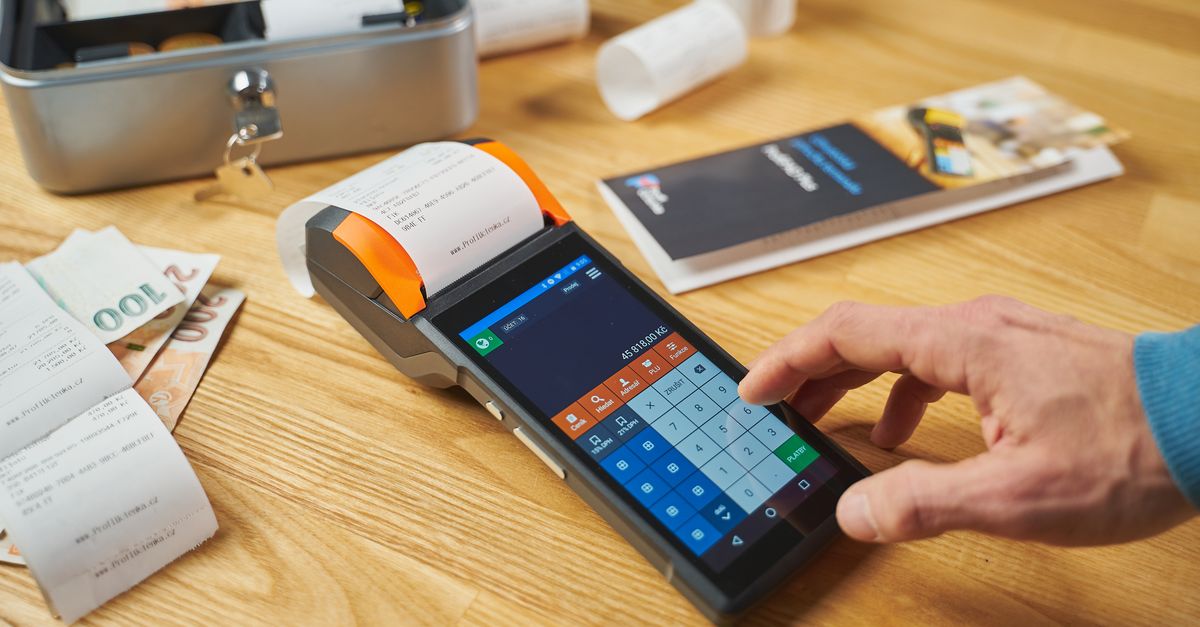
Digital receipts, mobile wallet passes and modern EPOS integrations remove friction and make automated post‑purchase communications simple and inexpensive. Compared with broad acquisition campaigns, receipt‑driven messages hit customers at the point of highest relevance: immediately after a purchase, while the brand and product are still top of mind.
Key benefits for SMEs
- Cost efficiency: an automated email or SMS costs a fraction of paid advertising and targets people who have already bought from you.
- Higher conversion potential: post‑purchase messages typically outperform cold outreach because they follow a confirmed transaction.
- Data capture opportunity: digital receipts let you capture consented contact details, transaction metadata and product preferences to fuel personalised follow‑ups.
Make it GDPR‑aware
The legal framework matters. Under UK GDPR and the Data Protection Act 2018, businesses must be clear about why they contact customers after a sale and use an appropriate lawful basis.
- Transactional messages (e.g. a receipt, warranty info or delivery updates) are generally covered by performance of a contract and don’t require marketing consent.
- If you want to send marketing (promotional offers, newsletters), you must either rely on consent or, in some cases, legitimate interests — but you must carry out a legitimate interests assessment and provide a simple opt‑out.
- Keep messaging separate: package essential purchase information as transactional and present any promotional content clearly labelled; allow customers to opt out of marketing communications easily.
Practical receiptretention tactics
H2: EPOS integrations and automation
Modern EPOS systems (both cloud and hybrid) often support integrations with email platforms, SMS providers and loyalty systems. Key steps to get started:
- Map the data you capture at checkout: email, phone, items bought, value, location and time.
- Configure automated triggers: e.g. send a receipt on purchase, a satisfaction survey 48 hours later, and a product care tip or cross‑sell offer at a defined interval.
- Use API or middleware connectors (like Zapier, Integromat/Make, or native EPOS apps) to route data to your communication channels without manual exports.
H3: Mobile wallet passes and proximity tech
Mobile wallet passes (Apple Wallet, Google Wallet) are compact, always‑accessible items on a customer’s phone. Use them for:
- Storing loyalty cards, coupons and return policies.
- Pushing balance updates or time‑limited offers via pass updates.
- Reducing friction at repeat visits: a wallet pass that records stamp‑based loyalty is quicker than presenting a separate card.
Practicalities: require initial opt‑in, ensure updates are clear and respect marketing preferences.
Message types and timing
Different messages have different purposes. Here are practical, tested options for SMEs.
- Immediate receipt: transactional, includes essential purchase details and a short, non‑promotional thank you line. Keeps trust high.
- Follow‑up satisfaction request (48–72 hours): ask for feedback and present a single option to opt in to future offers.
- Cross‑sell or care content (3–7 days): product usage tips, complementary product suggestions, or invitation to a local event.
- Time‑limited incentive (2–4 weeks): personalised discount or loyalty credit to nudge a second purchase.
Templates you can use
Email — transactional receipt (keep this transactional):
Thank you for your purchase, [Customer Name].
Order number: [#]
Date: [DD MMM YYYY]
Items: [Item list]
Total: £[amount]
If you need support, reply to this email or call [phone]. To manage marketing preferences, click here [link].
SMS — short follow‑up (opt‑in dependent if promotional):
Thanks for shopping at [Shop]. Your order #[#] has been processed. Reply HELP for support. Reply STOP to unsubscribe from marketing.
Email — promotional follow‑up (only if consent/LI allows):
Hi [Name],
Thanks again for your order. As a thank you, here’s 10% off your next purchase valid until [date]: CODE10
Manage your preferences here: [link]
Measuring what matters
Don't treat receipt retention as guesswork. Track metrics that show commercial impact:
- Open and click rates for receipt and follow‑up emails.
- Redemption rate on offers sent via receipt channels.
- Repeat purchase rate within 30/60/90 days.
- Customer lifetime value (LTV) uplift attributable to receipt campaigns.
- Unsubscribe and complaint rates to ensure GDPR compliance and message relevancy.
Keep experiments small and local: A/B test message timing, copy and offers in one town or one product category before rolling out across multiple stores.
Common pitfalls to avoid
- Mixing transactional and promotional content without clear labelling — this risks complaints and GDPR issues.
- Ignoring data hygiene — stale emails/phones inflate costs and harm deliverability. Regularly clean and validate contact lists.
- Over‑messaging — customers who feel bombarded are more likely to unsubscribe. Match frequency to purchase cadence.
Costs and expected ROI
Initial set‑up costs are largely technical (EPOS connector, pass design, a few API calls) and can be modest. Ongoing costs are per‑message (email is very cheap; SMS is costlier). Because these messages target customers who already converted, expected ROI is high: even small uplifts in repeat purchase rates can offset the entire communications bill for many small retailers and hospitality businesses.
Concluding practical note
Receiptretention is not a gimmick — it’s a pragmatic, cost‑effective way for UK SMEs to squeeze more value from existing sales. Start by digitising receipts, set clear transactional versus marketing boundaries under GDPR, automate a few timely follow‑ups and measure lift. Small, well‑timed interventions delivered via receipt channels can produce meaningful repeat custom without breaking the bank.